


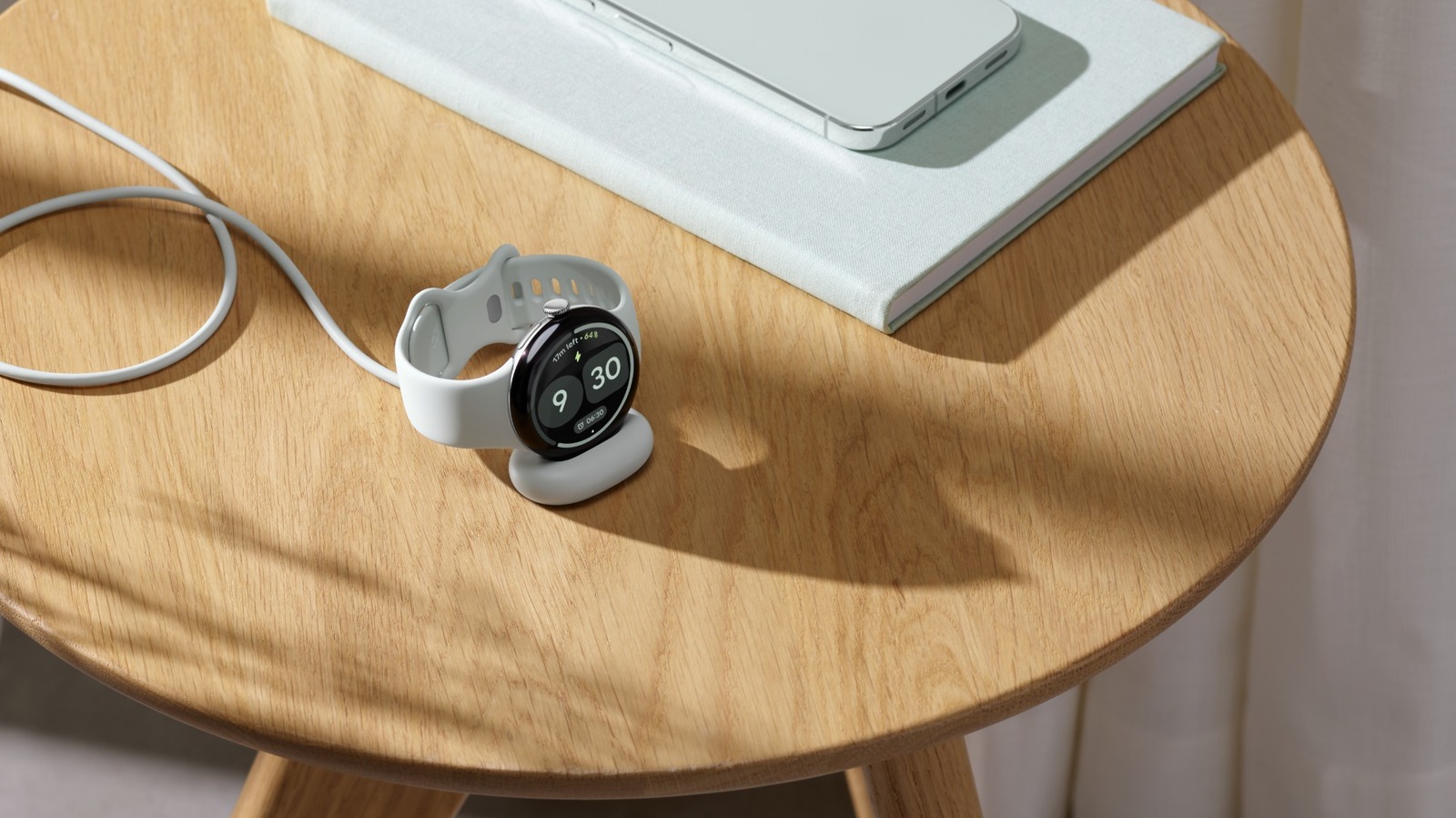
At the launch of the Pixel Watch 5, Google announced Health Guardian, a new suite of tools to keep an eye on your health. It’s not just watching the signals that every other wearable can, but something potentially much more impactful. Google says its new platform will be able to see trends on your blood pressure, breathing and, most interestingly of all, insulin resistance. If it has been able to achieve the latter, then the consequences could be staggering.
Cuffless blood pressure monitoring is increasingly common in high-end wearables, but with a lot of caveats around accuracy. Samsung’s Galaxy Watch feature, for instance, asks that users regularly calibrate their watch against a traditional blood pressure cuff. The accuracy issues did not stop the FDA from opening up the rules to allow the features in consumer devices, however.
Google’s offering is different, aggregating all of the information in your pulse and motion patterns, crunching it in a proprietary algorithm, then giving you a single data point on the first day of each month. Once you’ve seen the trend, you can get advice from an AI, which can analyze the data and offer up tailored recommendations on how to improve.
Google is also looking to tackle what it’s calling “breathing-related emergencies” that cause a “critical drop in oxygen saturation.” Much like Loss of Pulse Detection on recent Pixel Watches, compatible devices will have an opt-in feature that, if the user’s blood oxygen falls dangerously low, will call emergency services and contacts. It uses an AI-based algorithm to monitor your heart rate, motion and altitude data, with plenty of guard rails to stop it calling 911 if, for instance, you’ve dozed off for a nap and have sleep apnea.
If the watch thinks there is an issue, it’ll first try to rouse you with a vibration trigger and full screen notification. Then you’ll hear an audible signal and hear a 30-second countdown that, if you don’t turn off in time, will trigger a call to the emergency services.
Insulin resistance
Most interestingly, however, is Google’s pledge that can now keep track of your insulin resistance from your wrist. The company claims Health Guardian “passively tracks your body’s energy efficiency and serves as an early warning system for your metabolic health.” It’ll do this by tracking your heart rhythm, sleep quality and by monitoring your activity, then crunching it through an AI model. Like the blood pressure trend, users will get a monthly score alongside nudges and tips to help get the numbers back on track.
For the last decade, if not longer, noninvasive blood sugar monitoring has been the holy grail for many wearables companies. After all, many wearables offer a similar cluster of health sensors, so any one that could operate as a diabetes monitor would stand out against its competition. Not to mention the public health benefits of being able to keep an eye on someone’s blood sugar without breaking their skin. In 2017, reports claimed Apple had been working on this technology at the behest of Steve Jobs himself before his death in 2011. In 2023, rumors were that the team had made headway, but clearly not enough for it to be added to a product.
Google has telegraphed its work in this area, and last year posted details about the study it had designed to test its theories. The WEAR-ME study, in partnership with Quest Diagnostics, asked participants to wear either a Fitbit or a Pixel Watch. Data from those wearables, including their resting heart rate, step count and sleep patterns, was cross-checked with data from Quest’s in-person blood tests. This information was then fed into a neural network and from it, a link between wearable data and the blood tests was found. In March 2026, Google’s team published a paper in Nature showing the possibility of using wearables to identify insulin resistance early.
Of course, for all of these claims, the company is ready with a brace of disclaimers, saying the features are not a substitute for a diagnostic tool and do not provide clinical advice. But it’s very likely people will listen to the advice given, and hopefully make healthy lifestyle changes as a result.
Blood Pressure and Insulin Trends will be available on the Pixel Watch 3, 4 and 5, as well as the Fitbit Air this fall. Breathing detection, meanwhile, will work on the Pixel Watch 4 and 5, and is available as of now in several European countries. It hasn’t yet been cleared or evaluated by the FDA, so don’t expect the feature to make its way over the pond for a little while as yet.
Read the original article here